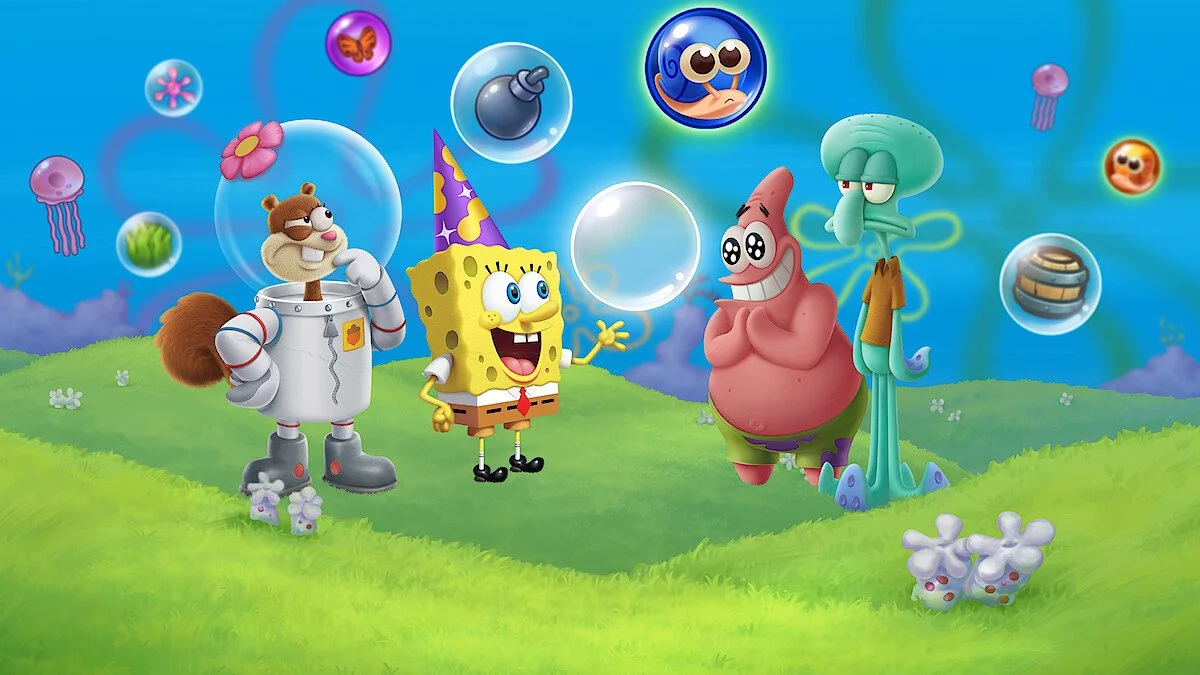
SpongeBob Bubble Pop F.U.N. (Netflix)
Casual, Puzzle, Bubble Shooter (iOS, Android)
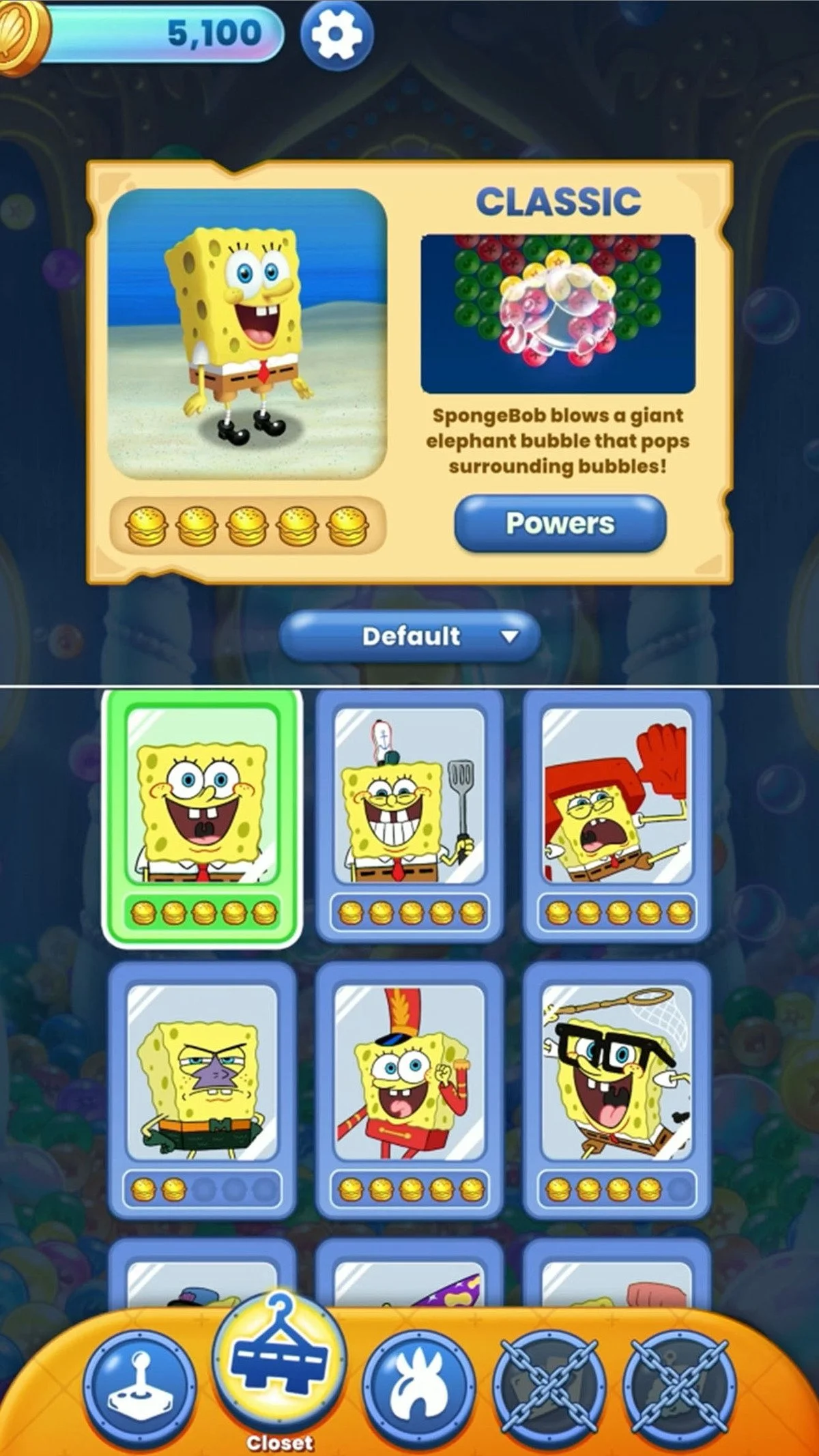
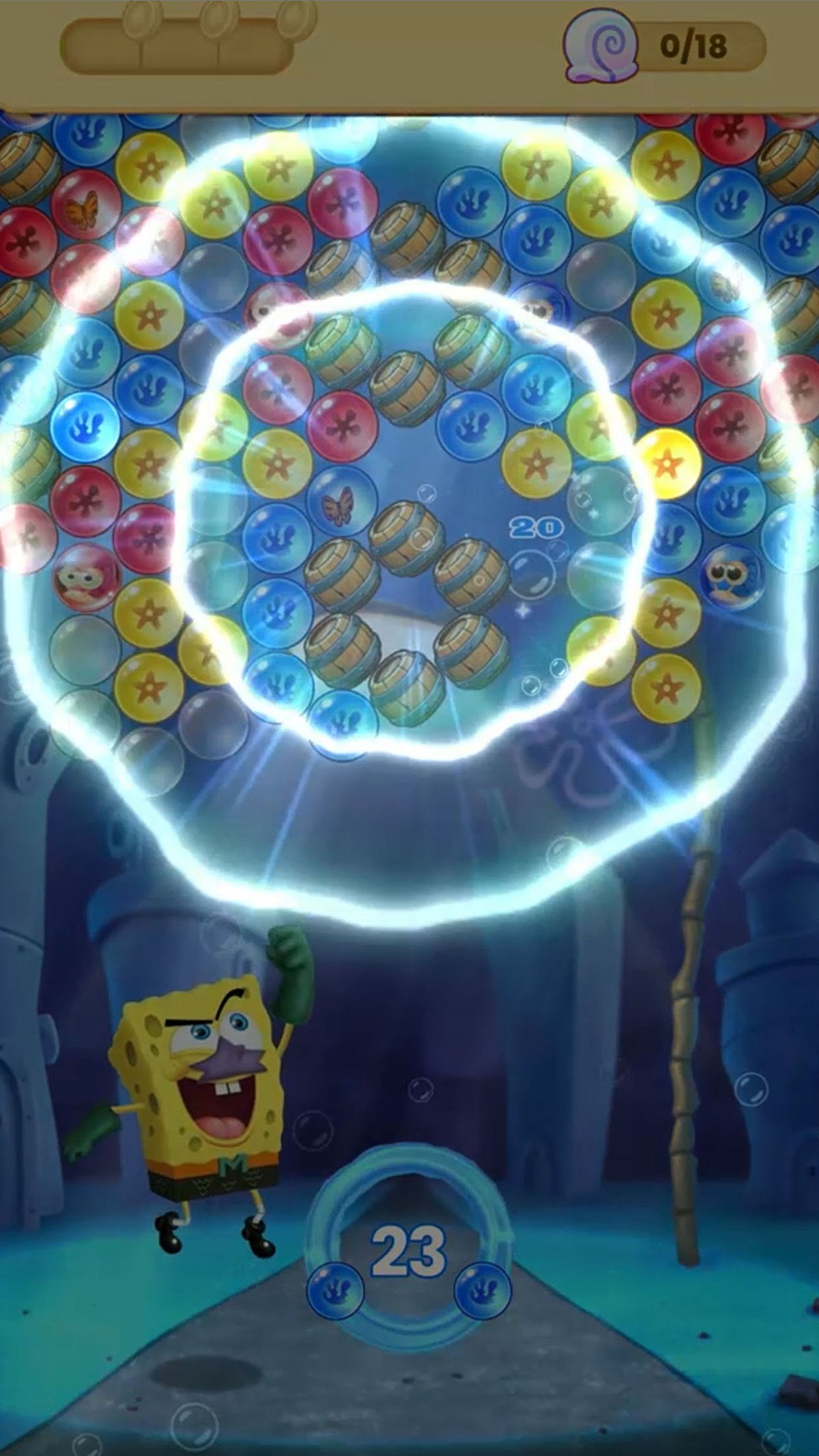
Classic SpongeBob outfits and powers to collect and unleash, memorable moments from the show, and engaging bubble shooting fun made SPongeBob Bubble Pop FUN a delightful project that 10-year old me would only dream of working on!
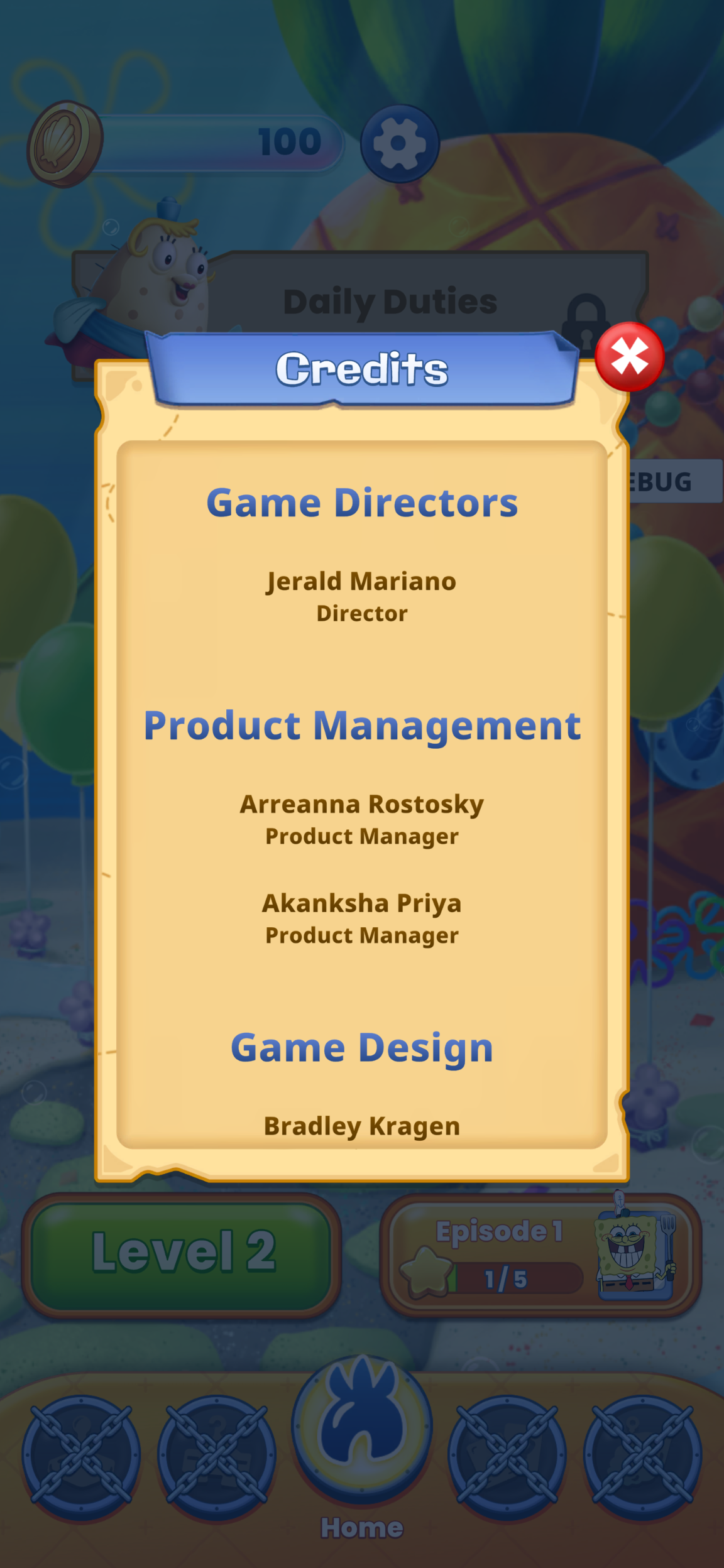
Game Director
Notable Achievements
-
Unique event objectives every single day, coupled with medium length events, gave players more to do and earn often.
Long term events gave players a chance to collect limited currency to use in fun mini-games for unique prizes.
-
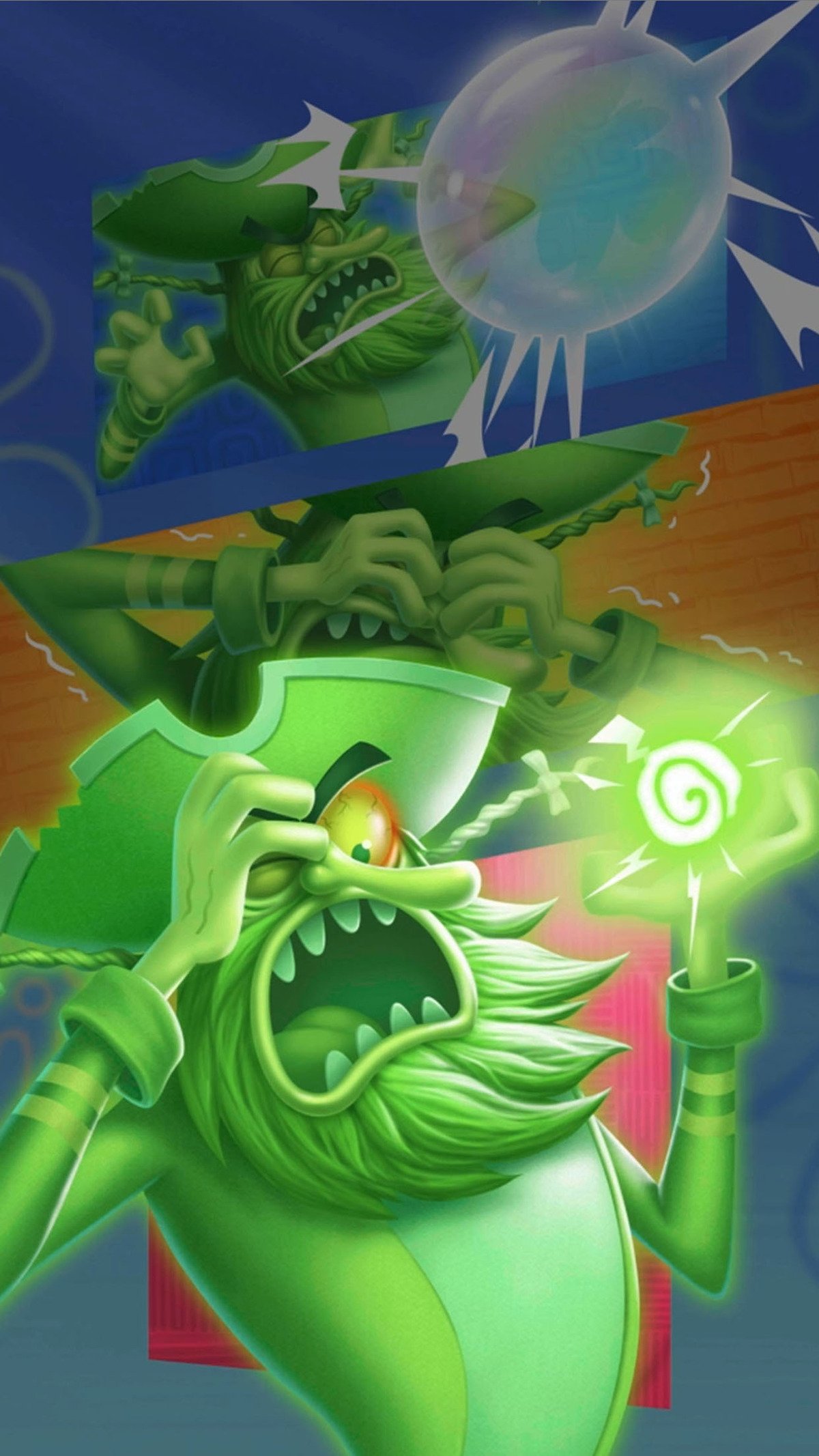
Ensured the story stayed true to the characters and was easy to grasp despite gameplay and scope limitations
-
Ensured that SpongeBob fans had memorable show moments to discover in the game
Implemented characters throughout most game UI
Captured character personalities wherever possible, through dialogue, character poses, and animations.
SpongeBob Bubble Pop F.U.N. - Case Study
Retention wasn't where it needed to be, and new level releases weren't solving the problem. Here's how I directed the design of a scalable live ops framework that improved D30 retention by 2%.
The Problem
Despite regular content releases, D30 retention consistently fell below target.
Players had limited reasons to return daily once they completed available content, and the game lacked the event-driven engagement systems commonly found in successful live-service puzzle games.
Without recurring goals, time-limited rewards, or competitive experiences, player engagement relied heavily on new level releases alone.
This created a retention challenge that became increasingly difficult to solve through content production alone.
My Strategy
After evaluating retention strategies used by top-performing puzzle games, I identified a common pattern: players were consistently given new short-term goals through events, competitions, and time-limited rewards.
Rather than relying solely on monthly content drops, I proposed building a flexible live-ops framework capable of supporting multiple event types with varying durations, goals, rewards, and visual themes.
The objective was to create a constant stream of reasons for players to return while ensuring the system remained sustainable for the development team to operate long-term.
Action Plan
Design an event system with reusable frameworks for more efficient event creation and reduced scope
Create a variety of event types and lengths for compelling reasons to play
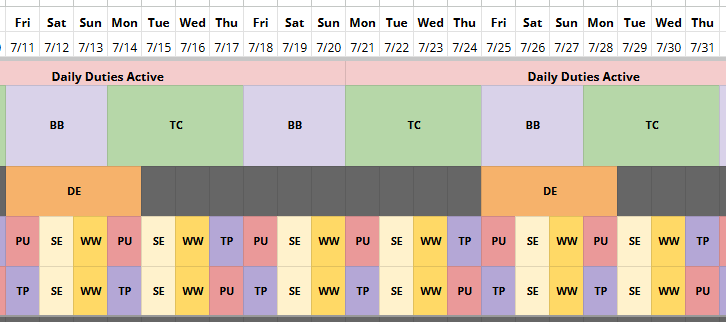
Plan an event cadence that motivates players to return each day, week, and month for something new
Execution
Building the Event Framework
Each event consists of adjustable CDN configs, fixed states, and is chosen by simply selecting the event type
CDN Config - Set once per event (doesn’t require new build)
Identity
Event Name
Objective Type
Key Art
Rewards
# of Prizes
Prize Type + Qty
Prize Requirements
Timing
Start Day + Time
End Day + Time
Recurring Toggle
Notifications
Push Timing
Event Copy
Event State Machine - Fixed logic for each event instance
Locked
Event Start Popup
Event Icon Lock
Unlock Req
Feature Gate
Active
Event Icon + Timer
Prize Track
Progress + Reward Sequences
Difficulty Bonuses
Completed
Event Icon Checkmark
Event Complete Popup
Stop Event Notifications
Event Types and Cadence
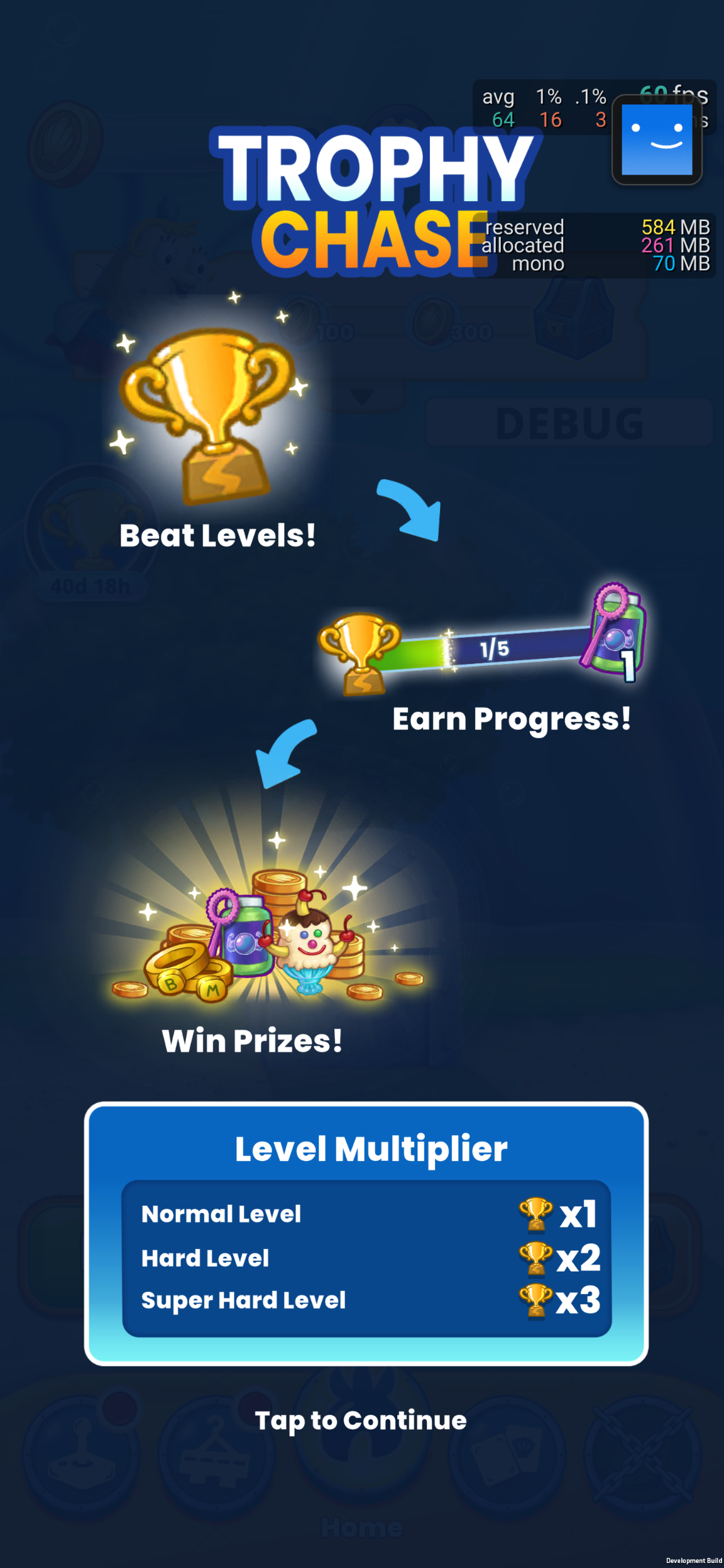
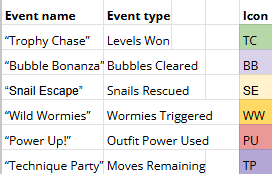
Milestone Events - Unique in-game objectives to complete
Daily events, rotating every 4 days
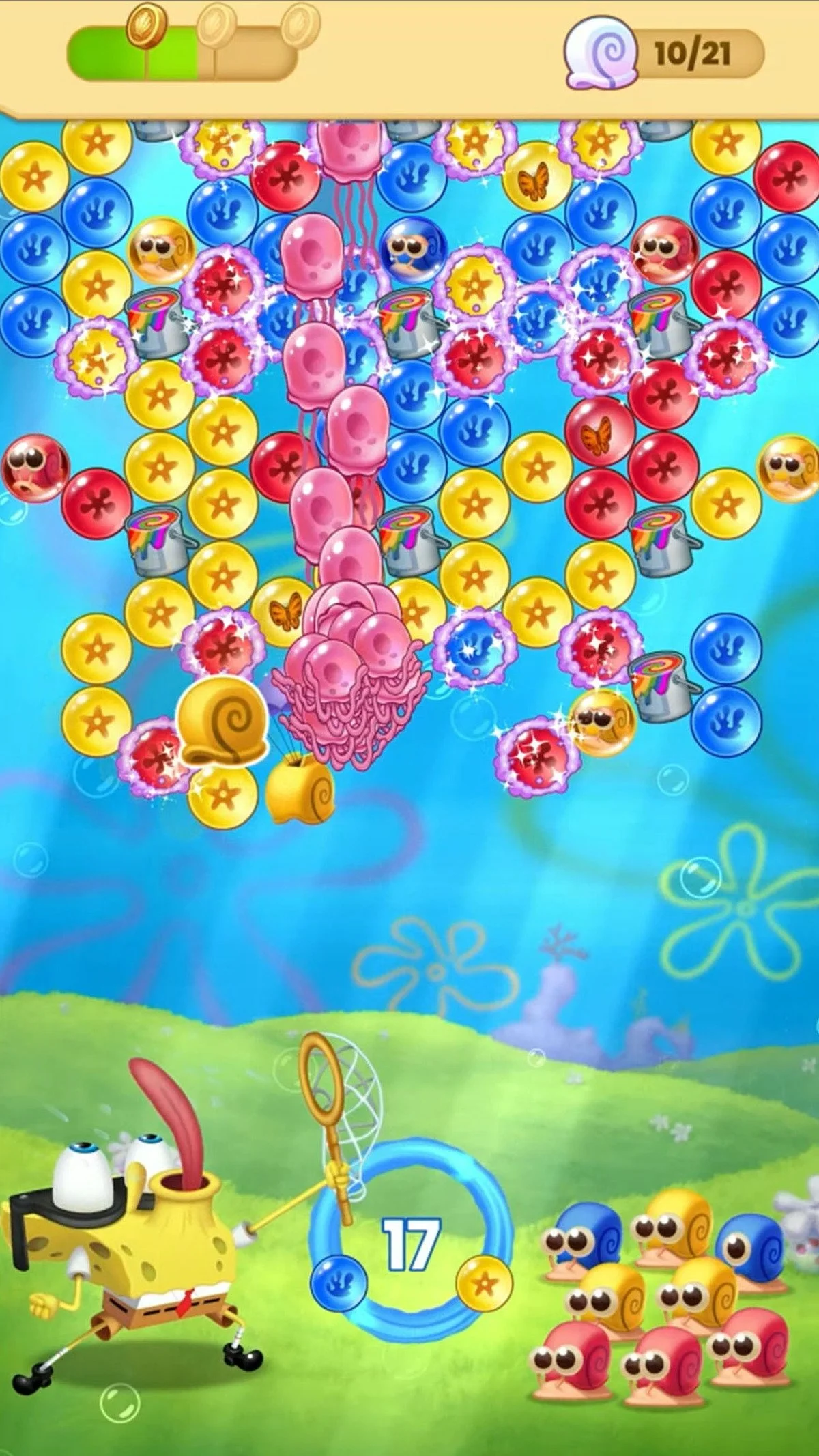
Snails rescued
Wormies triggered
Power used
Moves remaining
3-4 day events
Levels won
Bubbles cleared
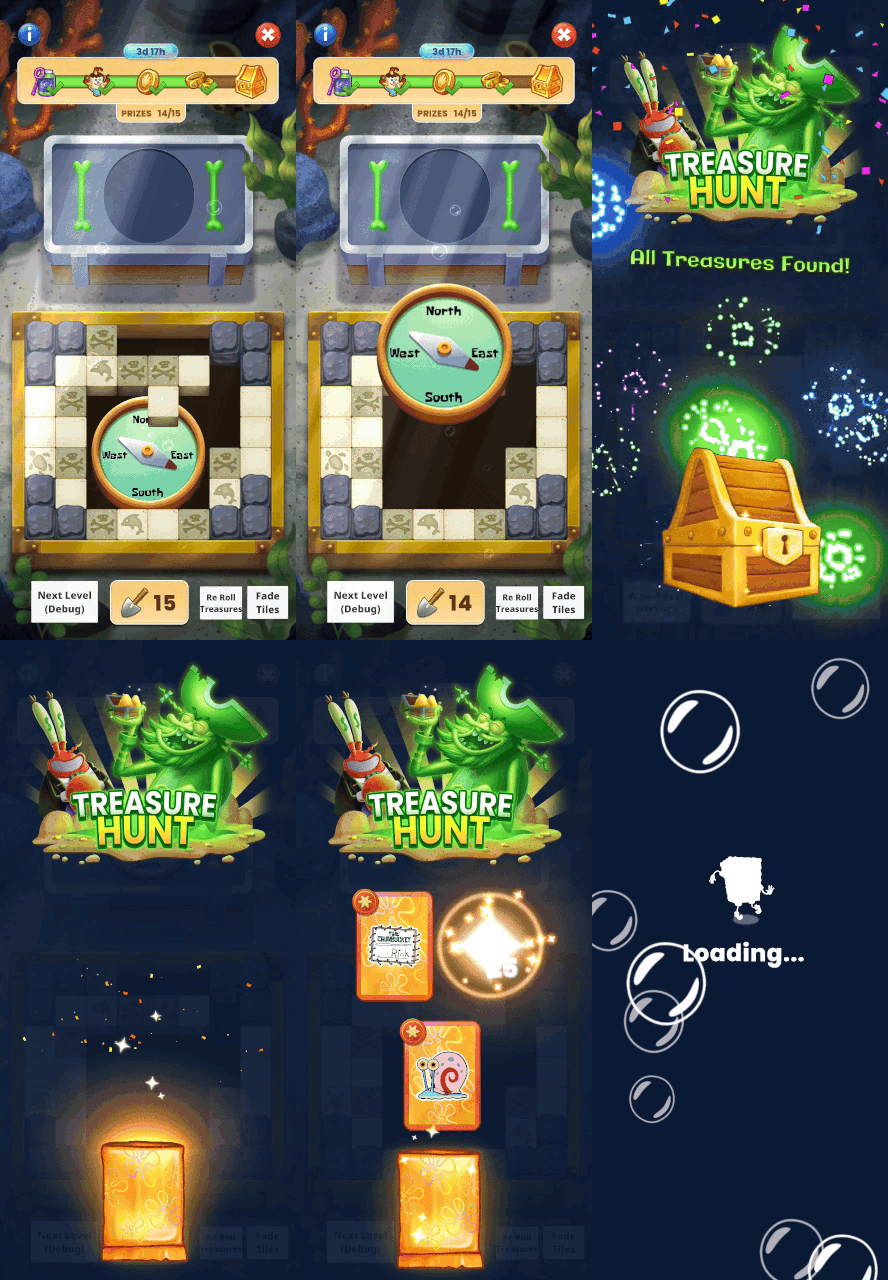
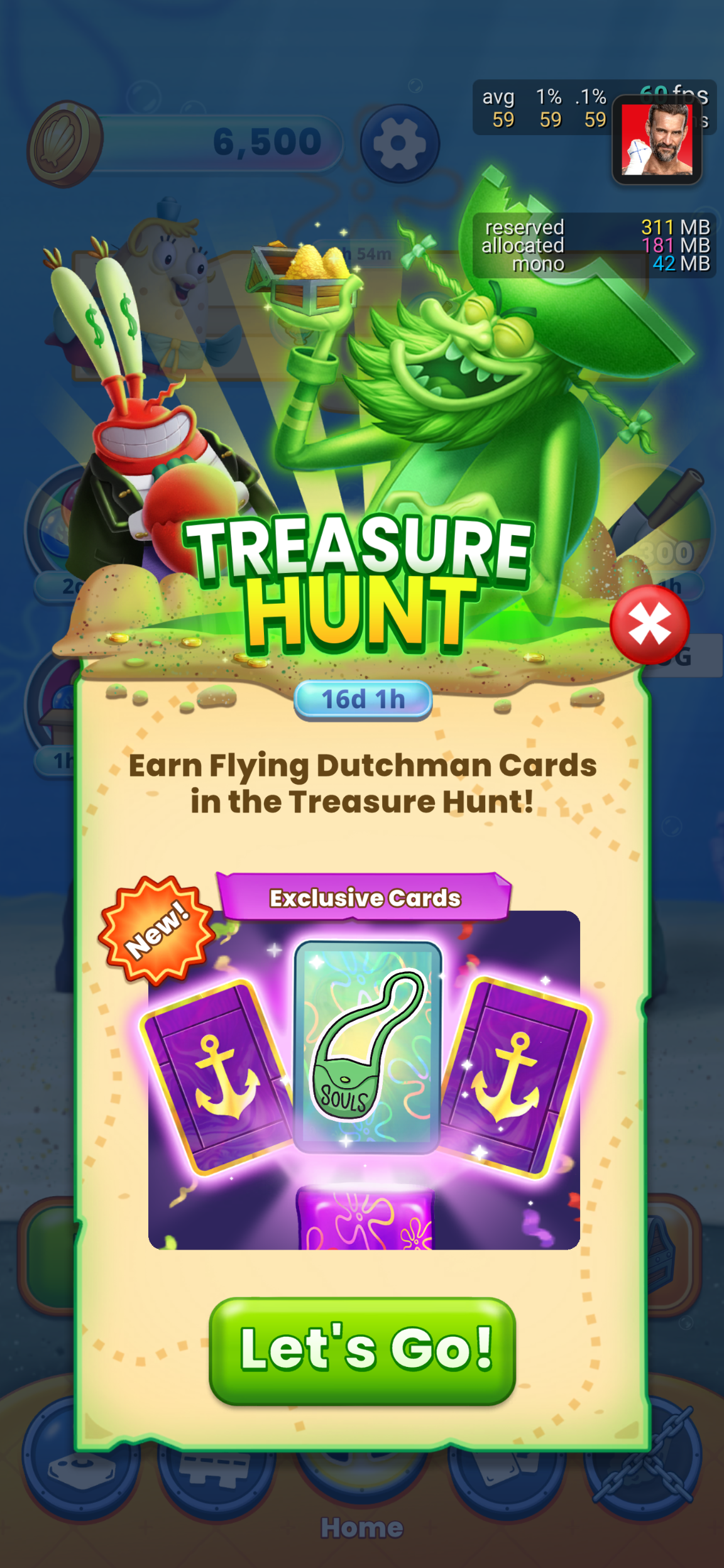
Dig Events - Unique minigame event to engage in
Twice a week
Outcome
The introduction of a structured live-ops cadence significantly improved player engagement and retention. Most importantly, the game shifted from relying primarily on new level releases toward a sustainable engagement model built around recurring events and player progression.
Outcomes included:
D30 retention increased by 2%
Increased player participation through recurring event goals
Higher engagement across daily and weekly play sessions
Established a scalable framework capable of supporting ongoing live-service content
Reflection
If I were approaching the project today, I would prioritize launching with the live-ops framework already in place.
Modern mobile puzzle games compete not only on content quantity, but on their ability to provide consistent reasons for players to return.
While the event system ultimately improved retention, introducing it after launch meant spending valuable development time solving a problem that could have been addressed from day one.
The experience reinforced the importance of designing retention systems as a core part of a live-service game's foundation rather than treating them as post-launch enhancements.